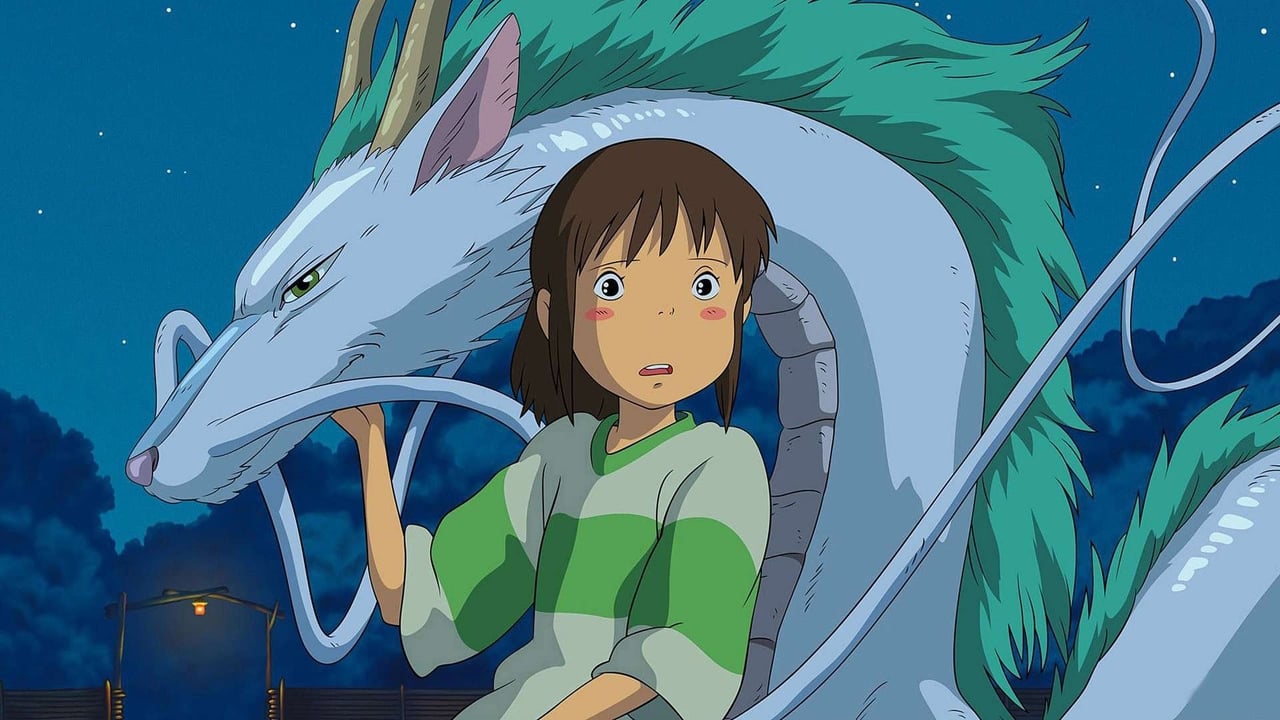
Spirited Away opened in Japan on July 20, 2001, and this month marks 25 years since Hayao Miyazaki sent a ten-year-old girl through a tunnel into a world of bathhouse spirits.
The anniversary lands as GKIDS closes out Studio Ghibli Fest 2026 with the film in October, and as Studio Ghibli's restoration team continues the studio's push to bring its catalog into 4K for theatrical reissue, following Princess Mononoke's IMAX debut earlier in the year. A quarter century on, the film still holds a place no other traditionally animated feature has matched at the Oscars.
Miyazaki came to the project directly from Princess Mononoke, a film he had spoken of as his likely finale, and the shift to Spirited Away was personal rather than strategic. He has said the story grew out of summers spent at his mountain cabin with his producer's young daughter and her friends, girls around ten and twelve who he realized he would soon lose as playmates as they grew older, and he wanted to make something specifically for them rather than for the wider market Princess Mononoke had reached. The film's early development was rockier than that origin suggests: Miyazaki initially pursued a different concept before abandoning it after pushback from producer Toshio Suzuki, and the project began as a scriptment running well over three hours before Miyazaki cut it down to feature length on Suzuki's advice, an unusually blunt piece of collaborative editing for a director who otherwise worked from his own instincts.
What distinguishes Spirited Away from Miyazaki's other work is how specifically it is rooted in Japanese custom rather than folded into a more exportable fantasy idiom. The bathhouse draws on real Japanese bathing culture and the Shinto idea that kami, spirits tied to particular places and even everyday objects, need somewhere to rest and be cared for by humans; Chihiro's job scrubbing down a filthy river spirit is a small ritual of purification before it becomes a set piece. Miyazaki uses that specificity, rather than a generalized fantasy idiom, to organize the whole film: names have power, work has dignity, and greed literally deforms the people practicing it, most visibly in Chihiro's parents, and the film trusts a young audience to track an unfamiliar cosmology through behavior and consequence rather than dialogue-heavy exposition.
The film's afterlife is as remarkable as its opening run. It overtook Titanic that fall to become the highest-grossing film in Japanese box office history, a record it held for nineteen years until Demon Slayer: Mugen Train passed it in 2020, and it remains the only hand-drawn film to win the Academy Award for Best Animated Feature. Miyazaki did not attend that ceremony; he and Suzuki quietly skipped it in protest of the Iraq War, which had begun days earlier. That absence, along with the film's continued reissues through Studio Ghibli Fest and the ongoing 4K restorations, has kept Spirited Away in circulation on its own terms rather than as nostalgia programming, and the 25th anniversary theatrical run is the plainest reason to watch it properly again.


