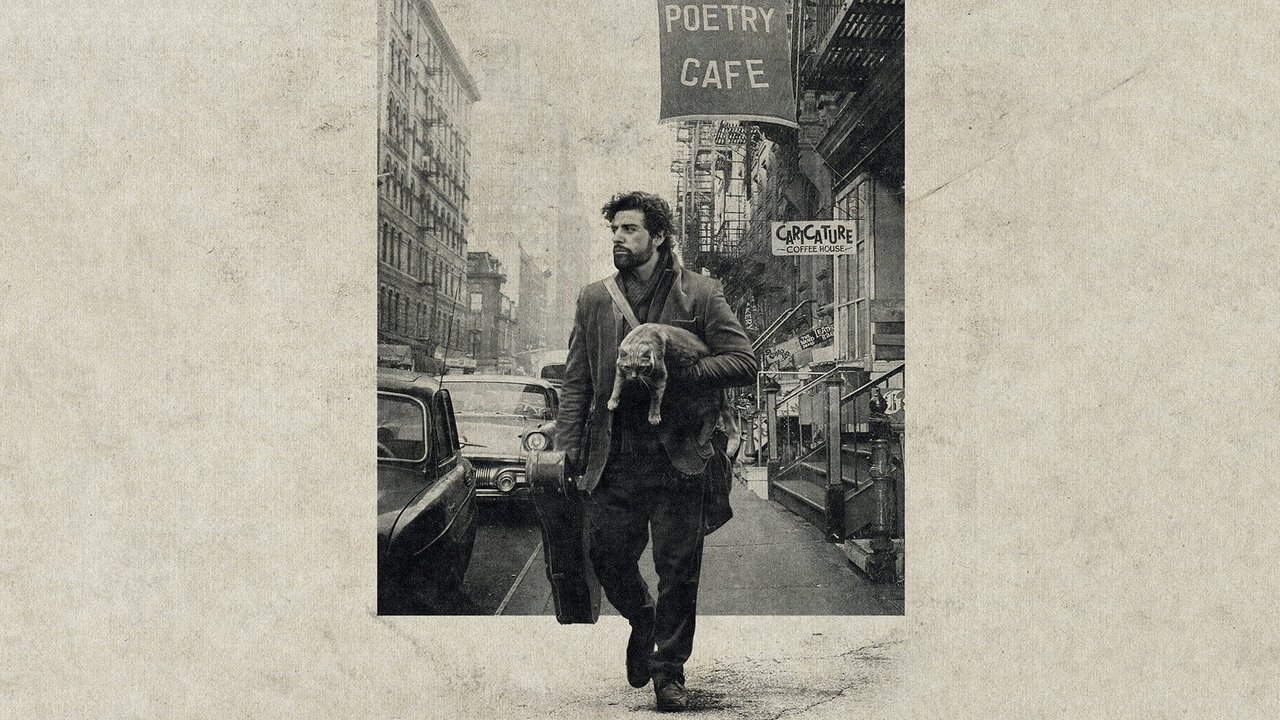
It is January 1961, and Llewyn Davis is sleeping on other people's couches, carrying his guitar and, unexpectedly, a friend's escaped cat through a freezing Greenwich Village.
He plays basket-house sets at the Gaslight for whatever change lands in the guitar case, sponges off friends he has burned before, and can't afford a coat that fits the weather. The specific problem the film sets up isn't just poverty, it's timing: Llewyn is a serious, talented folk singer arriving just before the wider world decided it wanted one.
The Coens drew directly on Dave Van Ronk's posthumous memoir, The Mayor of MacDougal Street, co-written with Elijah Wald, mining it for period detail from the real early-1960s Village folk circuit. T Bone Burnett, working with the Coens for a third time after O Brother, Where Art Thou?, produced the music with the cast singing live on set rather than lip-syncing. Oscar Isaac, a trained musician before he was cast, arranged and performed songs including "Hang Me, Oh Hang Me" himself, which is why the performances hold the screen the way a real club set would.
The film won the Grand Prix at Cannes in 2013, the festival's second-highest honor, and its structure is the Coens' most cunning: built to loop rather than march forward, a formal choice that mirrors Llewyn's stalled career without spelling out how or why until the film is over. Isaac carries that structure on a performance that stays wound tight and unsentimental even when the material turns cruel toward him, letting comedy and bleakness sit in the same scene without tipping into either.
Inside Llewyn Davis was distributed theatrically by CBS Films and has circulated since across digital rental, purchase, and various streaming packages rather than sitting on one fixed home. Check PLOT's own listing for tonight's confirmed platform and region before settling in. At 105 minutes, it's a tight, one-sitting watch, best suited to a quiet night when a cold, funny, exactingly built character study is the mood.