Fifteen years ago, Headhunters turned the polite ritual of a job interview into the setup for a chase. Aksel Hennie plays Roger Brown, a star corporate recruiter who funds his lavish apartment and his even more lavish wife by moonlighting as an art thief, using his interviews to case the walls of the executives he is supposedly vetting.
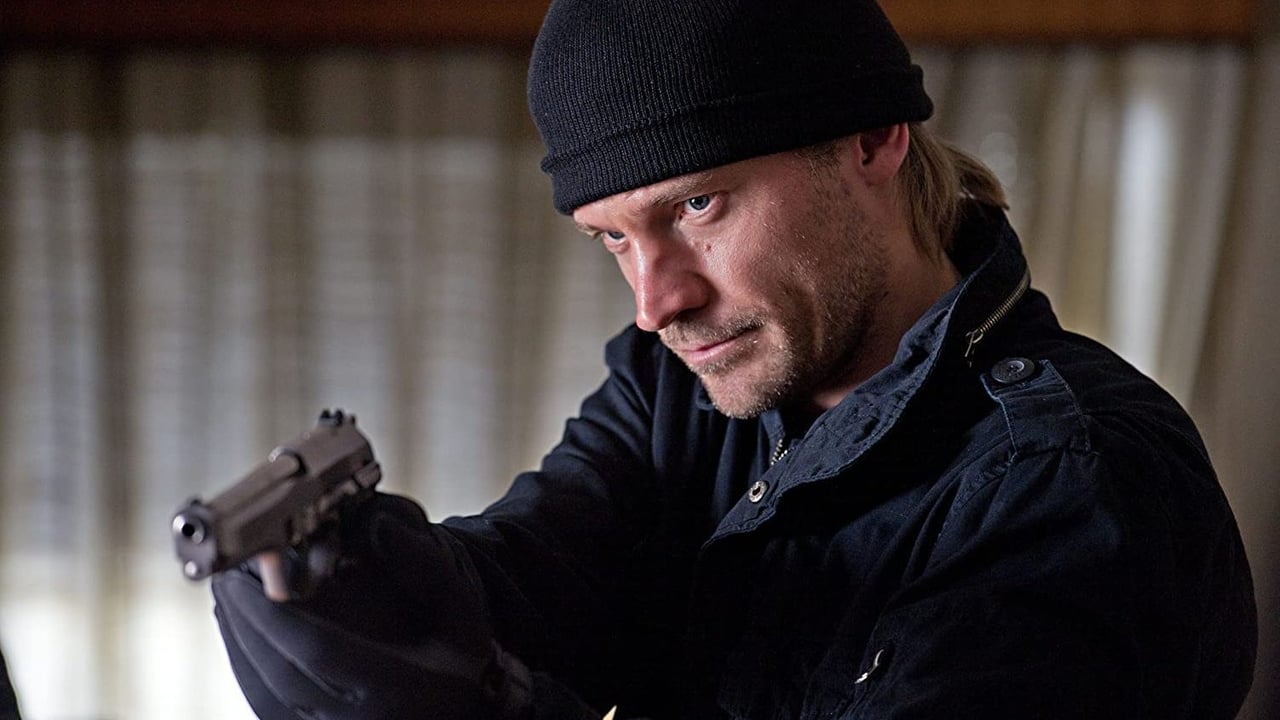
The trouble starts when Roger meets Clas Greve, played by Nikolaj Coster-Waldau, a former mercenary who happens to own a painting worth stealing. Roger takes the job, and the film spends its next hour proving that Greve is far better at hunting people than Roger ever was at hunting talent.
Director Morten Tyldum shot the whole thing around Oslo on a budget of roughly 30 million kroner, about five million dollars at the time and a fraction of what most thrillers this fast and this violent get to spend. When the production needed helicopter footage it could not afford to shoot, Tyldum borrowed it from The Girl with the Dragon Tattoo, the earlier Swedish adaptation made by the same production company, and had the car in frame digitally swapped for Roger's. Nobody watching would guess the aerial shots came from a different film entirely.
That kind of resourcefulness is the whole appeal. Headhunters belongs in the same conversation as The Girl with the Dragon Tattoo and Let the Right One In, Scandinavian thrillers that came out sharper than Hollywood's precisely because nobody could throw money at the problem and had to lean on story and character instead. It holds a 93 percent on Rotten Tomatoes, a number that has barely moved in fifteen years.
At home, it became the highest grossing Norwegian film ever made, a record that gave Tyldum enough leverage to make his English language debut a few years later with The Imitation Game. Headhunters is the film that made that jump possible. Watching it again now, the pleasure is less about the twists, which land the same way every time, and more about how confidently a small Norwegian production outran movies with far bigger budgets.