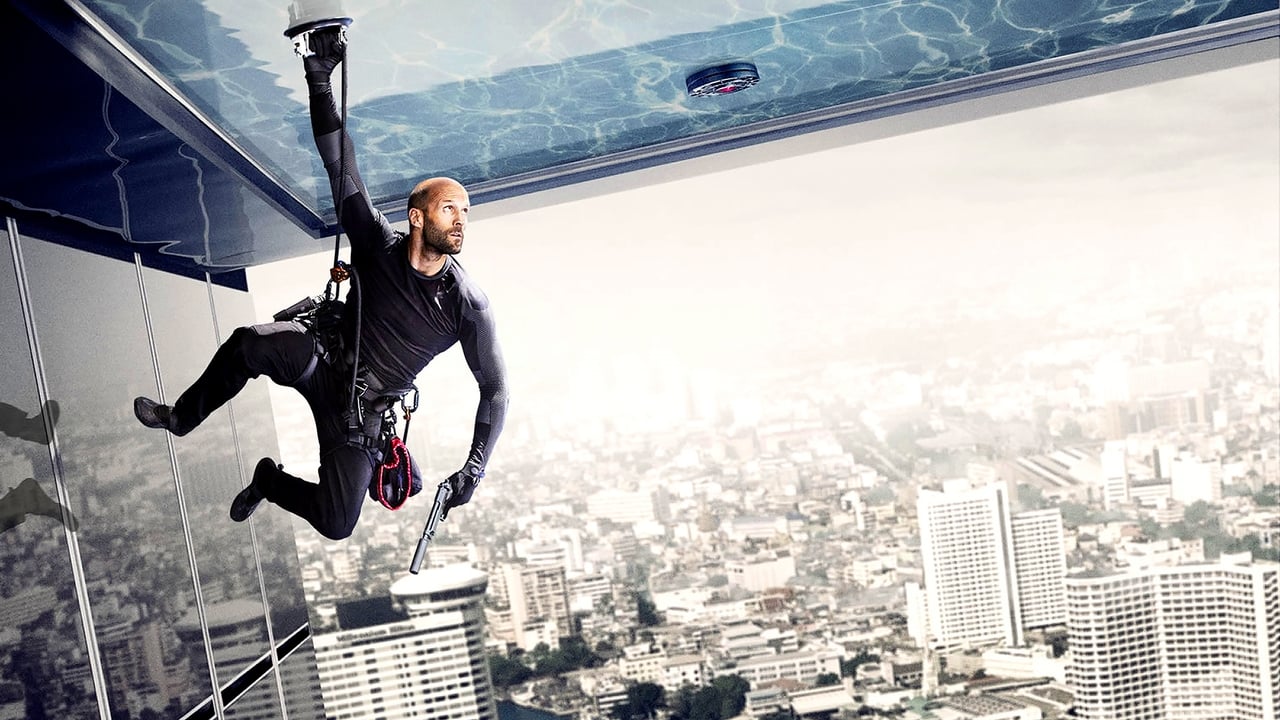
Ten years ago this week, Mechanic: Resurrection sent Jason Statham back into the family business of murder disguised as accidents. Arthur Bishop had gotten out once already, in the 2011 remake that kicked off this version of the story, and Resurrection made a whole plot out of proving that retirement never really sticks.
The hook this time is blackmail. A rival forces Bishop to kill three men in ways that look like natural causes, and the film turns that premise into an excuse to hopscotch the planet. Production actually shot across six countries, including Thailand, Malaysia, Bulgaria, Brazil, Australia and Cambodia, and stitched a surprising amount of that globe trotting scenery together with green screen work back home. That contrast between the elaborate locations and the visibly composited effects work is the film's defining split. The seams show, and the film does not much care once the set pieces get going, because it knows exactly what kind of movie it wants to be.
Statham keeps doing his own stunt work, which is a big part of why the Bishop films have their own identity next to his Transporter and Crank outings. Tommy Lee Jones shows up as one of the marks, playing it looser and stranger than you'd expect from him, while Michelle Yeoh gives the film a steadying presence as the person who actually knows how to talk Bishop down.
The script is the weak point, thin even by the standards of the genre, and on paper this looked like the franchise's retirement for good. Audiences disagreed hard enough to matter: Mechanic: Resurrection ended up making well over three times its budget back worldwide, with China alone outgrossing its entire North American run.
That gap between the reviews and the box office is the real story of this one. It never won over the people writing about it, but it found the audience it was built for, and a decade later it's still the kind of movie that plays exactly as well as it did the first time.