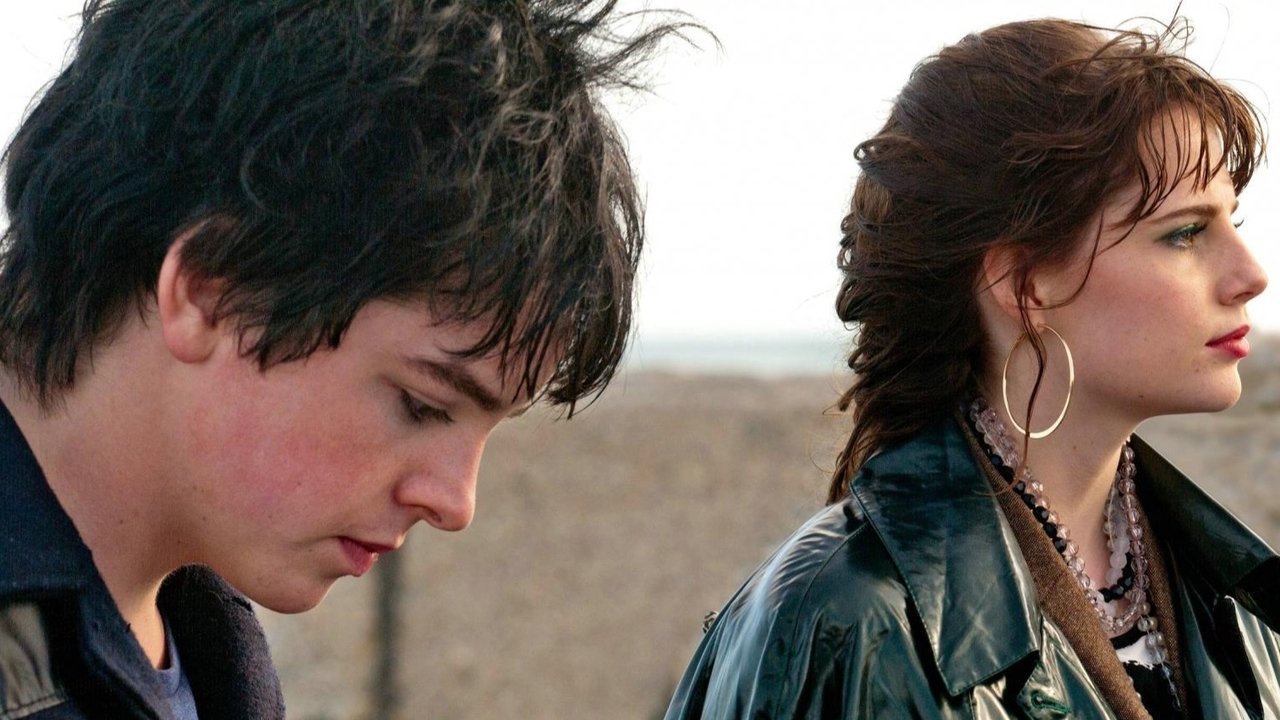
A Time to Kill opened on July 24, 1996, adapting John Grisham's 1989 debut novel: the book he wrote before The Firm made him famous, rejected by 28 publishers and printed in a run of just 5,000 copies before his later bestsellers sent readers back to it.
Thirty years on from the film's release, the anniversary is a reason to revisit a legal drama that treats a courtroom case as a referendum on a Mississippi town's conscience, adapted for the screen by Akiva Goldsman and directed by Joel Schumacher, running 149 minutes.
Schumacher cast Matthew McConaughey as small-town lawyer Jake Brigance after the actor, then 26 and four films into his career, talked his way from a supporting role into a private screen test for the lead; the audition, built around the character's closing argument, won him the part and turned the film into his star-making role. Sandra Bullock and Samuel L. Jackson, both already established names, filled out a cast built around a story where Jackson's Carl Lee Hailey stands trial for killing the two white men who raped his young daughter, a case that revives a dormant local Ku Klux Klan chapter.
Roger Ebert gave the film three stars and admired it as a well-built morality play, but his review turned on a specific worry about the way it stages Klan rallies and cross burnings: that their secret meetings and rituals might look appealing to the wrong viewer even as the story condemns them outright. That tension is the film's clearest fault line: it wants courtroom catharsis and a genuine reckoning with racial violence delivered by the same two hours, and the mechanics of the legal-thriller genre keep pulling against the seriousness of the material it's handling.
A Time to Kill sits among the more satisfying Grisham adaptations of the 1990s legal-thriller run that also produced The Firm and The Pelican Brief, and it remains the title most identified with McConaughey's breakthrough, years before his dramatic reinvention. Watched now, it stands as a document of how mainstream Hollywood tried, imperfectly, to turn a story about American racial violence into courtroom entertainment, worth a first watch both as a McConaughey origin point and as a case study in what the genre can and can't hold.