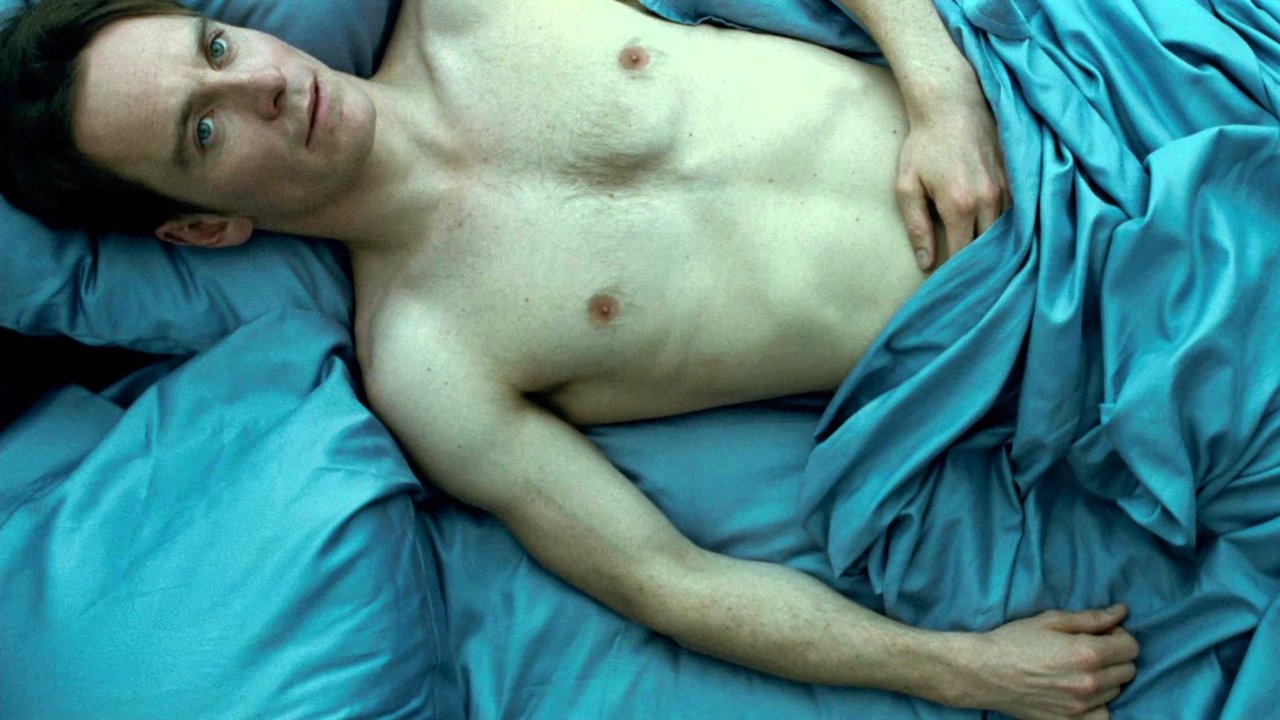
Shame is fifteen, and the most consequential thing about it now may be the argument over how it reached audiences at all. Steve McQueen made a film about a man in New York whose life has been reorganized around a compulsion, and the Motion Picture Association rated it NC-17 for explicit sexual content.
Fox Searchlight had paid around four hundred thousand dollars for it on the festival circuit, and then did the thing distributors almost never do. It did not appeal the rating, and it did not cut a frame. The company's president made the case at the time that NC-17 ought to be a usable rating for serious adult work rather than a commercial death sentence. He was right, and it did not take. The rating is still functionally radioactive.
The filmmaking earns that stand. Sean Bobbitt shoots in long, patient takes that refuse to cut away from discomfort, so the coldness is structural rather than a pose. Michael Fassbender won the Volpi Cup at Venice for the performance, and it works because he plays the character's control as the symptom rather than the defense against it.
Carey Mulligan's arrival as the sister is what turns the film from a case study into a drama. She brings a history into the apartment that neither of them will discuss, and McQueen keeps almost all of that past offscreen, which is a harder and far better choice than explaining it would have been.
A hundred and two minutes, and not one of them is enjoyable in the ordinary sense of the word. Watch it on a night when the evening afterward is free, because it does not let go of you at the end credits.